Hearing Loss Treatment in Kunnamkulam: Evaluation and Care Options
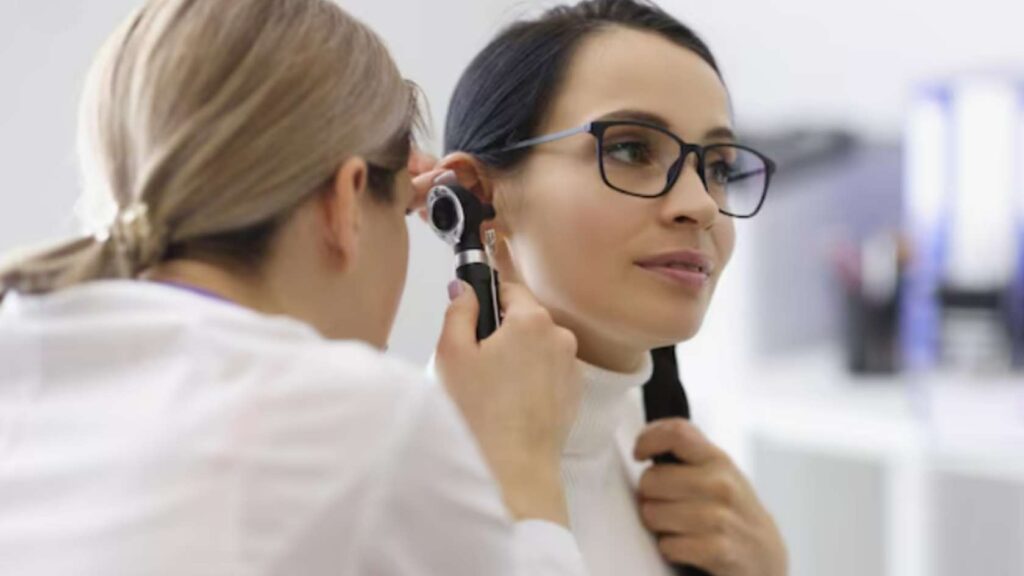
Hearing loss treatment in Kunnamkulam focuses on identifying the underlying cause of reduced hearing and providing appropriate management to improve hearing ability and communication. Hearing loss can affect individuals of all ages and may develop gradually or suddenly. Proper evaluation and timely treatment help prevent further deterioration and support better quality of life.
1. Understanding Hearing Loss
Hearing loss refers to a partial or complete inability to hear sounds. It may affect one or both ears and can vary in severity from mild difficulty in hearing soft sounds to complete hearing impairment. Hearing plays an essential role in communication, awareness, and daily functioning, making early identification important.
2. Types of Hearing Loss
Hearing loss is generally classified into different types based on the affected part of the ear:
- Conductive hearing loss (related to outer or middle ear problems)
- Sensorineural hearing loss (related to inner ear or nerve issues)
- Mixed hearing loss (combination of both types)
Each type requires a different treatment approach depending on the underlying cause.
3. Causes of Hearing Loss
Several factors can contribute to hearing loss. Common causes include:
- Ear infections
- Earwax blockage
- Aging-related changes
- Exposure to loud noise
- Injury to the ear
- Structural abnormalities
- Certain medical conditions
Identifying the exact cause is essential for selecting the correct treatment.
4. Importance of Early Diagnosis
Early diagnosis of hearing loss helps prevent complications and improves treatment outcomes. Delayed treatment may lead to communication difficulties and reduced quality of life.
Diagnosis involves:
- Clinical examination
- Hearing assessment tests
- Evaluation of ear structures
- Identification of underlying conditions
Accurate diagnosis guides effective treatment planning.
5. Hearing Assessment and Evaluation
Hearing loss treatment begins with a detailed hearing evaluation. This includes various tests to measure hearing ability and determine the type and severity of hearing loss.
Common assessment methods include:
- Pure tone audiometry
- Speech hearing tests
- Tympanometry
- Clinical ear examination
These tests help identify the level of hearing impairment and guide treatment decisions.
6. Medical Treatment for Hearing Loss
Medical treatment depends on the underlying cause of hearing loss. In cases related to infection or inflammation, medications may be used to reduce symptoms and restore hearing.
Medical management may include:
- Treatment for ear infections
- Management of inflammation
- Removal of earwax blockage
- Allergy management
These treatments are effective for certain types of hearing loss.
7. Hearing Aid Support
For individuals with permanent hearing loss, hearing aids may be recommended. These devices amplify sound and help improve hearing clarity.
Hearing aids are selected based on:
- Degree of hearing loss
- Lifestyle needs
- Comfort and usability
Proper fitting and adjustment improve effectiveness.
8. Surgical Treatment Options
In some cases, hearing loss treatment may involve surgical procedures. Surgery is considered when structural problems or certain medical conditions affect hearing.
Surgical options may include:
- Correction of middle ear structures
- Repair of eardrum
- Removal of abnormal growths
Surgical treatment is planned based on individual evaluation.
9. Management of Sensorineural Hearing Loss
Sensorineural hearing loss is usually related to inner ear or nerve damage. While it may not always be reversible, management focuses on improving hearing function and communication.
Management approaches include:
- Hearing aids
- Assistive listening devices
- Communication strategies
These methods help improve daily functioning.
10. Hearing Rehabilitation
Hearing rehabilitation plays an important role in treatment. It helps individuals adapt to hearing changes and improve communication skills.
Rehabilitation may involve:
- Auditory training
- Speech therapy
- Communication techniques
These strategies enhance hearing-related quality of life.
11. Preventive Measures for Hearing Health
Preventing hearing loss is an important aspect of care. Certain lifestyle practices help protect hearing and reduce risk.
Preventive measures include:
- Avoiding exposure to loud noise
- Using protective ear devices
- Maintaining ear hygiene
- Managing infections early
These steps support long-term hearing health.
12. Hearing Loss in Children
Hearing loss in children requires early identification and intervention. It can affect speech development and learning.
Management includes:
- Early hearing assessment
- Appropriate treatment planning
- Speech and language support
Early care helps improve developmental outcomes.
13. Hearing Loss in Adults
In adults, hearing loss may develop gradually and affect communication and social interaction. Treatment focuses on improving hearing ability and maintaining independence.
Management includes:
- Hearing evaluation
- Use of hearing devices
- Lifestyle adjustments
Early management supports better outcomes.
14. Role of Follow-Up Care
Follow-up care is essential for monitoring progress and adjusting treatment as needed. Regular check-ups help ensure optimal hearing improvement.
Follow-up may include:
- Hearing reassessment
- Device adjustment
- Monitoring ear health
Continuous care improves long-term results.
15. Impact on Daily Life
Hearing loss can affect communication, relationships, and daily activities. Effective treatment helps restore confidence and improve interaction.
Improved hearing supports:
- Better communication
- Increased social participation
- Enhanced safety awareness
These benefits contribute to overall well-being.
16. Lifestyle Adjustments With Hearing Loss
Adapting to hearing loss may require certain lifestyle changes. These adjustments help individuals manage hearing difficulties effectively.
Examples include:
- Using visual communication cues
- Reducing background noise
- Positioning for better hearing
These strategies improve communication.
17. Importance of Individualized Treatment
Each case of hearing loss is unique. Treatment is tailored based on type, severity, and individual needs.
Personalized care ensures:
- Accurate diagnosis
- Appropriate treatment selection
- Better patient outcomes
Individualized planning improves effectiveness.
18. When to Seek Medical Advice
It is important to seek evaluation if hearing changes are noticed. Early consultation helps identify the cause and begin treatment promptly.
Signs that require attention include:
- Difficulty hearing conversations
- Ringing in the ears
- Sudden hearing loss
- Frequent ear discomfort
Timely care prevents complications.
19. Long-Term Hearing Care
Maintaining hearing health requires ongoing care and monitoring. Regular evaluation helps detect changes early and adjust treatment.
Long-term care includes:
- Periodic hearing tests
- Device maintenance
- Continued medical support
This ensures sustained hearing improvement.
20. Final Overview
Hearing loss treatment focuses on identifying the cause, restoring hearing where possible, and supporting communication through appropriate management strategies. From medical treatment to assistive devices and rehabilitation, a comprehensive approach helps improve hearing ability and quality of life.
Hearing loss treatment in Kunnamkulam plays an important role in helping individuals regain communication confidence and maintain daily functioning through proper diagnosis, timely care, and continuous support.
Table of Contents
Consultation
The consultation includes a detailed assessment of symptoms, medical history, and hearing tests. Learn more
Cost
The cost varies depending on the consultation, diagnostic tests, and type of treatment required. Basic evaluations are usually affordable, while advanced treatments or hearing devices may increase the overall cost. Learn more
Risks
Most hearing loss treatments are safe, but minor risks like temporary discomfort, dizziness, or adjustment issues with hearing aids may occur. These are usually manageable with proper guidance. Learn more
Preparation
Preparation involves maintaining ear hygiene, avoiding loud noise exposure, and providing complete medical history during consultation. This ensures accurate diagnosis and effective treatment. Learn more
Procedure
The procedure typically includes ear examination, hearing tests, and implementation of the appropriate treatment plan. This may involve medication, device fitting, or other therapies based on the condition. Learn more
Frequently Asked Questions
1. What is hearing loss treatment?
Hearing loss treatment involves identifying the cause of hearing impairment and managing it through medical care, devices, or rehabilitation.
2. What are the common causes of hearing loss?
Common causes include ear infections, earwax buildup, aging, noise exposure, and inner ear or nerve-related issues.
3. How is hearing loss diagnosed?
Diagnosis is done through hearing tests, clinical examination, and evaluation of ear structures.
4. Can hearing loss be treated completely?
Some types of hearing loss can be treated or reversed, while others can be managed to improve hearing ability.
5. When are hearing aids recommended?
Hearing aids are recommended when hearing loss is permanent and cannot be corrected through medical treatment.
6. Is hearing loss treatment different for children and adults?
Yes, treatment approaches may vary based on age, cause, and severity of hearing loss.
7. Can earwax cause hearing loss?
Yes, earwax blockage can temporarily reduce hearing and can be treated by proper removal.
8. Are surgical options available for hearing loss?
In certain cases, surgery may be recommended to correct structural problems affecting hearing.
9. How important is early treatment for hearing loss?
Early treatment helps prevent complications and improves communication and quality of life.
10. What can be done to prevent hearing loss?
Avoiding loud noise, maintaining ear hygiene, and treating ear conditions early can help protect hearing.
Dr Salison Salim Panicker
MBBS, DLO, DNB, PGDCC
ENT Surgeon and