Hearing Loss Treatment Cost in Kunnamkulam and Care Considerations
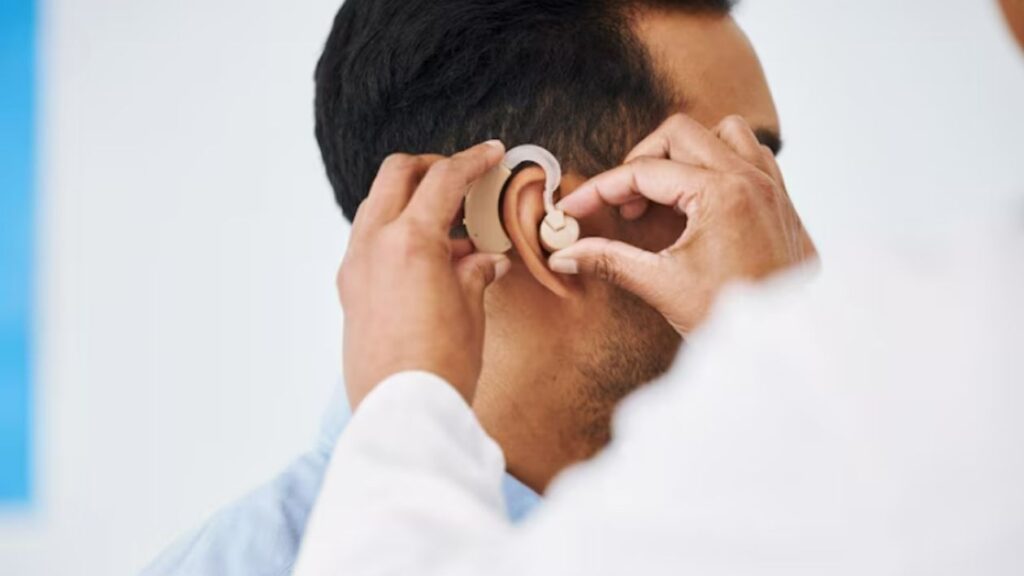
Hearing Loss Treatment Cost in Kunnamkulam refers to the estimated expense involved in diagnosing and managing hearing loss based on the type, severity, and method of treatment required. Hearing loss can vary widely among individuals, and the treatment cost depends on whether the condition is temporary or permanent, mild or severe, and whether it requires medical management, hearing devices, or surgical intervention. Understanding the approximate cost helps individuals plan their treatment better and make informed decisions about their hearing care.
Table of Contents
- Overview of Hearing Loss Treatment Cost
- Factors Affecting Treatment Cost
- Cost of Medical Treatment
- Cost of Hearing Aids
- Cost of Surgical Treatment
- Cost Based on Severity
- Cost Variation by Technology
- Cost Differences Based on Treatment Approach
- Role of Diagnosis in Determining Cost
- Importance of Hearing Evaluation
- Cost Considerations for Long-Term Care
- Cost Variation for Different Age Groups
- Impact of Delay in Treatment on Cost
- Choosing Cost-Effective Treatment
- Understanding Value vs Cost
- Maintenance and Follow-Up Considerations
- Cost Planning and Budgeting
- When Cost May Increase
- Importance of Personalized Cost Estimation
- Summary
1. Overview of Hearing Loss Treatment Cost
Hearing Loss Treatment Cost in Kunnamkulam varies depending on the treatment method required. Some individuals may need only basic medical care, while others may require advanced hearing support devices or surgical correction. The cost is not fixed and depends on individual diagnosis and treatment planning.
2. Factors Affecting Treatment Cost
Several important factors influence the cost of hearing loss treatment:
- Type of hearing loss (conductive, sensorineural, or mixed)
- Severity of hearing impairment
- Duration of the condition
- Treatment method chosen
- Technology used in hearing devices
- Individual health condition
These factors determine the overall treatment plan and cost.
3. Cost of Medical Treatment
For hearing loss caused by infections, inflammation, or earwax blockage, medical treatment is usually the first approach.
Approximate Cost: ₹1,000 – ₹5,000
This typically includes medications, basic procedures, and short-term management.
4. Cost of Hearing Aids
Hearing aids are commonly used for permanent hearing loss where sound amplification is required.
Approximate Cost: ₹15,000 – ₹2,50,000 per device
The cost depends on the level of technology, sound processing features, customization, and comfort.
5. Cost of Surgical Treatment
Surgical treatment may be recommended when structural problems affect hearing.
Approximate Cost: ₹40,000 – ₹1,50,000
The cost varies based on the complexity of the procedure and the condition being treated.
6. Cost Based on Severity
The severity of hearing loss plays a major role in determining cost:
- Mild hearing loss: Lower cost treatment options
- Moderate hearing loss: Moderate cost with possible device use
- Severe hearing loss: Higher cost due to advanced solutions
7. Cost Variation by Technology
Advanced hearing aids with digital processing, noise reduction, and wireless connectivity are more expensive than basic models. Higher technology improves clarity and comfort, which may increase cost.
8. Cost Differences Based on Treatment Approach
Different treatment approaches have different cost implications:
- Medical treatment: Lower cost
- Hearing devices: Moderate to high cost
- Surgical treatment: Higher cost
Selecting the appropriate approach affects the total expense.
9. Role of Diagnosis in Determining Cost
Accurate diagnosis is essential to avoid unnecessary treatments. A proper evaluation ensures that only required procedures or devices are recommended, helping control costs.
10. Importance of Hearing Evaluation
A detailed hearing assessment helps determine the exact type and level of hearing loss. This ensures the treatment plan is accurate and cost-effective.
11. Cost Considerations for Long-Term Care
Some hearing conditions require long-term management. Hearing aids may need maintenance or replacement over time, which can influence overall cost planning.
12. Cost Variation for Different Age Groups
Treatment needs may differ between children and adults, affecting cost. Early intervention in children may involve additional supportive therapies.
13. Impact of Delay in Treatment on Cost
Delaying treatment can sometimes increase overall cost. Untreated hearing loss may worsen, requiring more advanced and expensive interventions later.
14. Choosing Cost-Effective Treatment
Selecting the right treatment based on medical advice helps avoid unnecessary expenses. A balanced approach ensures both affordability and effectiveness.
15. Understanding Value vs Cost
Cost should be considered along with the effectiveness of treatment. Higher-cost options may provide better long-term results and improved hearing quality.
16. Maintenance and Follow-Up Considerations
Regular follow-up ensures that treatment remains effective. Hearing devices may require periodic adjustments, which should be considered in long-term planning.
17. Cost Planning and Budgeting
Planning ahead helps manage treatment expenses effectively. Understanding approximate cost ranges allows better financial preparation.
18. When Cost May Increase
Cost may increase in cases such as:
- Severe hearing loss
- Advanced technology requirements
- Surgical complexity
- Long-term care needs
19. Importance of Personalized Cost Estimation
Each individual’s condition is different. A personalized evaluation is necessary to determine the exact treatment plan and cost.
Summary
Hearing Loss Treatment Cost in Kunnamkulam depends on multiple factors including the type of hearing loss, severity, and treatment method required. Medical treatment is generally more affordable, while hearing aids and surgical procedures involve higher costs depending on technology and complexity. Understanding these cost ranges helps individuals make informed decisions and plan their treatment effectively.
For more detailed and accurate cost information, it is recommended to contact the clinic or consult a qualified healthcare provider, as the exact cost can only be determined after proper evaluation and diagnosis.
Table of Contents
Hearing Loss Treatment
Hearing loss treatment focuses on identifying the root cause and improving hearing ability through appropriate methods such as medications, hearing aids, or other supportive therapies. The goal is to restore clear communication and enhance overall quality of life. Learn more
Consultation
The consultation includes a detailed assessment of symptoms, medical history, and hearing tests. Learn more
Risks
Most hearing loss treatments are safe, but minor risks like temporary discomfort, dizziness, or adjustment issues with hearing aids may occur. These are usually manageable with proper guidance. Learn more
Preparation
Preparation involves maintaining ear hygiene, avoiding loud noise exposure, and providing complete medical history during consultation. This ensures accurate diagnosis and effective treatment. Learn more
Procedure
The procedure typically includes ear examination, hearing tests, and implementation of the appropriate treatment plan. This may involve medication, device fitting, or other therapies based on the condition. Learn more
Frequently Asked Questions
1. What does hearing loss treatment cost depend on?
The cost depends on the type of hearing loss, severity, required treatment method, and whether devices or surgery are needed.
2. Is hearing loss treatment the same for everyone?
No, treatment varies based on individual diagnosis, which affects the overall cost and approach.
3. Can hearing loss be treated without surgery?
Yes, many cases can be managed with medications or hearing devices depending on the underlying cause.
4. Do hearing aids require long-term maintenance?
Yes, hearing aids may need regular adjustments and maintenance to ensure proper functioning over time.
5. Does early treatment help reduce overall cost?
Early diagnosis and treatment can help prevent complications and reduce the need for more advanced interventions later.
6. Are advanced hearing devices necessary for all patients?
Not always, the choice of device depends on the severity of hearing loss and individual needs.
7. Why is proper diagnosis important before treatment?
Accurate diagnosis ensures that the correct treatment is chosen, avoiding unnecessary procedures and expenses.
8. Can lifestyle changes help in managing hearing loss?
Yes, avoiding loud noise, maintaining ear hygiene, and following medical advice can support better hearing health.
9. Is follow-up care important after hearing loss treatment?
Yes, regular follow-up helps monitor progress and adjust treatment or devices as needed.
10. How can I get exact cost details for hearing loss treatment?
Exact cost details can be provided after a proper evaluation, so it is advisable to consult the clinic or healthcare provider.