Hearing Loss Treatment Procedures in Kunnamkulam and Care Options
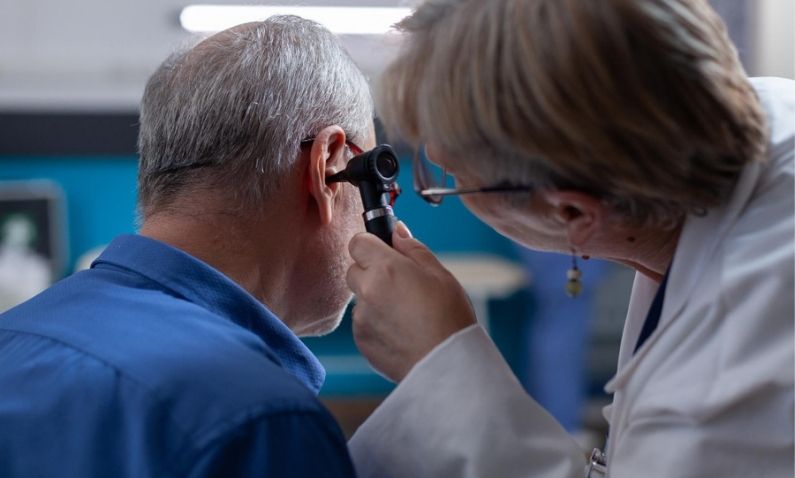
Hearing Loss Treatment Procedures in Kunnamkulam involve a structured approach to diagnosing and managing hearing impairment through medical, device-based, and surgical methods. The procedures are designed to identify the cause of hearing loss and apply the most suitable treatment to improve hearing ability and communication. Each step in the procedure plays an important role in ensuring effective and safe outcomes.
Table of Contents
- Overview of Hearing Loss Treatment Procedures
- Initial Clinical Evaluation
- Hearing Assessment Procedures
- Physical Ear Examination
- Diagnosis and Treatment Planning
- Medical Treatment Procedures
- Earwax Removal Procedure
- Infection Management Procedure
- Hearing Aid Fitting Procedure
- Hearing Aid Adjustment Process
- Surgical Treatment Procedures
- Eardrum Repair Procedure
- Middle Ear Surgery
- Post-Procedure Care
- Hearing Rehabilitation Process
- Follow-Up Procedures
- Monitoring Hearing Improvement
- Long-Term Care Procedures
- Safety Measures During Procedures
- Summary
1. Overview of Hearing Loss Treatment Procedures
Hearing Loss Treatment Procedures in Kunnamkulam include multiple steps that begin with diagnosis and continue through treatment and follow-up care. These procedures are tailored based on the type and severity of hearing loss.
2. Initial Clinical Evaluation
The procedure starts with a detailed clinical evaluation. This includes understanding symptoms, medical history, and hearing-related concerns.
3. Hearing Assessment Procedures
Hearing tests are essential to measure hearing ability and identify the type of hearing loss.
Common procedures include:
- Pure tone audiometry
- Speech audiometry
- Tympanometry
4. Physical Ear Examination
A thorough ear examination is performed to check for visible issues such as earwax blockage, infection, or structural abnormalities.
5. Diagnosis and Treatment Planning
Based on the evaluation, a treatment plan is created. This step ensures that the most appropriate procedure is selected.
6. Medical Treatment Procedures
Medical treatment is used for conditions such as infections or inflammation.
Procedures may include:
- Medication administration
- Allergy management
- Anti-inflammatory treatment
7. Earwax Removal Procedure
Earwax blockage can affect hearing. Removal procedures include safe cleaning methods to restore hearing.
8. Infection Management Procedure
When infections are present, treatment focuses on controlling infection and reducing inflammation.
9. Hearing Aid Fitting Procedure
For permanent hearing loss, hearing aids are fitted to improve sound perception.
Steps include:
- Device selection
- Ear measurement
- Custom fitting
10. Hearing Aid Adjustment Process
After fitting, adjustments are made to optimize sound clarity and comfort.
11. Surgical Treatment Procedures
Surgical procedures are considered when structural problems affect hearing.
12. Eardrum Repair Procedure
This procedure corrects damage to the eardrum to improve hearing function.
13. Middle Ear Surgery
Surgery may be performed to repair or reconstruct middle ear structures.
14. Post-Procedure Care
After treatment, care is important to ensure proper healing and effectiveness.
Includes:
- Maintaining ear hygiene
- Avoiding loud noise
- Following medical instructions
15. Hearing Rehabilitation Process
Rehabilitation helps individuals adapt to improved hearing and communication.
16. Follow-Up Procedures
Follow-up visits help monitor progress and make necessary adjustments.
17. Monitoring Hearing Improvement
Regular assessment ensures that treatment is effective and hearing is improving.
18. Long-Term Care Procedures
Long-term care includes maintaining hearing devices and regular check-ups.
19. Safety Measures During Procedures
Safety is maintained through proper techniques, hygiene, and monitoring.
20. Summary
Hearing Loss Treatment Procedures in Kunnamkulam involve a comprehensive approach that includes diagnosis, treatment, and follow-up care. Each step is designed to improve hearing and ensure long-term results. Proper evaluation and structured procedures help achieve better outcomes and support overall hearing health.
Table of Contents
Hearing Loss Treatment
Hearing loss treatment focuses on identifying the root cause and improving hearing ability through appropriate methods such as medications, hearing aids, or other supportive therapies. The goal is to restore clear communication and enhance overall quality of life. Learn more
Consultation
The consultation includes a detailed assessment of symptoms, medical history, and hearing tests. Learn more
Cost
The cost varies depending on the consultation, diagnostic tests, and type of treatment required. Basic evaluations are usually affordable, while advanced treatments or hearing devices may increase the overall cost. Learn more
Risks
Most hearing loss treatments are safe, but minor risks like temporary discomfort, dizziness, or adjustment issues with hearing aids may occur. These are usually manageable with proper guidance. Learn more
Preparation
Preparation involves maintaining ear hygiene, avoiding loud noise exposure, and providing complete medical history during consultation. This ensures accurate diagnosis and effective treatment. Learn more
Frequently Asked Questions
1. What are hearing loss treatment procedures?
These are structured steps used to diagnose and manage hearing loss, including evaluation, medical care, hearing aids, or surgery.
2. How is hearing loss diagnosed before treatment?
Diagnosis is done through hearing tests, ear examination, and assessment of symptoms to determine the type and severity.
3. What is the first step in hearing loss treatment procedures?
The first step is a clinical evaluation followed by hearing assessment tests to identify the condition.
4. Are hearing tests necessary before starting treatment?
Yes, hearing tests are essential to determine the correct treatment approach.
5. Can hearing loss be treated without surgery?
Yes, many cases can be managed with medications or hearing aids depending on the cause.
6. What happens during hearing aid fitting?
Hearing aid fitting involves selecting the device, measuring the ear, and adjusting the settings for clarity and comfort.
7. Are surgical procedures always required for hearing loss?
No, surgery is only considered when medical or device-based treatments are not sufficient.
8. What is included in post-treatment care?
Post-treatment care includes ear hygiene, follow-up visits, and monitoring hearing improvement.
9. How long does hearing loss treatment take?
The duration varies depending on the type of treatment and severity of the condition.
10. Why are follow-up procedures important?
Follow-up helps track progress, adjust treatment, and ensure the effectiveness of hearing improvement.
Dr Salison Salim Panicker
MBBS, DLO, DNB, PGDCC
ENT Surgeon and