Septoplasty Recovery and Aftercare in Kunnamkulam: Healing and Care Guidance
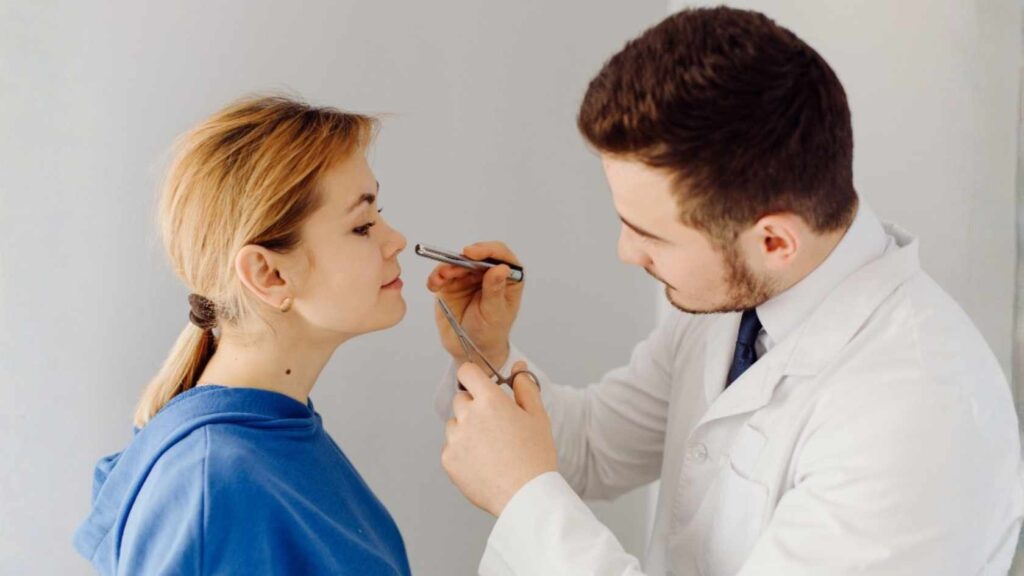
Septoplasty recovery and aftercare in Kunnamkulam focus on structured healing, symptom management, and careful monitoring after septal correction surgery. Recovery is an important phase that supports proper tissue healing, maintains septal alignment, and ensures improved nasal airflow. Aftercare involves specific precautions, hygiene measures, activity modifications, and regular follow-up to achieve optimal long-term outcomes.
1. Importance of Recovery After Septoplasty
Recovery after septoplasty is essential for restoring nasal function and allowing internal tissues to heal. The nasal lining, cartilage, and surrounding structures require time to stabilize after surgical correction. Proper aftercare helps minimize swelling, prevent infection, and promote gradual improvement in breathing.
Careful recovery also reduces the likelihood of complications and supports long-term structural stability of the septum.
2. Immediate Recovery Phase
The immediate recovery phase begins soon after the procedure and typically lasts for the first few days. During this time, the body responds to surgical changes and anesthesia effects.
Common experiences include:
Mild nasal congestion
Swelling inside the nasal cavity
Slight blood-tinged discharge
Sensation of pressure in the nose
Temporary breathing difficulty
These symptoms are usually temporary and gradually improve as healing progresses.
3. Role of Rest in Early Recovery
Rest plays a significant role in septoplasty recovery and aftercare. Adequate rest allows the body to repair tissues and stabilize nasal structures.
Patients are generally advised to:
Avoid strenuous activities
Maintain a calm environment
Sleep with the head elevated
Limit physical exertion
These measures support healing and reduce swelling.
4. Nasal Hygiene During Recovery
Maintaining nasal hygiene is an important component of aftercare. Gentle care helps prevent crust formation and keeps nasal passages clean.
Aftercare practices may include:
Using saline sprays
Avoiding forceful nose blowing
Following instructions for nasal cleaning
Keeping nasal passages moist
Proper hygiene supports tissue healing and airflow improvement.
5. Managing Swelling and Congestion
Swelling inside the nose is common during the early recovery phase. Congestion may persist temporarily as tissues heal.
Management strategies include:
Keeping the head elevated
Staying hydrated
Using prescribed medications
Avoiding irritants such as dust and smoke
Gradual reduction in swelling leads to improved breathing.
6. Pain and Discomfort Management
Pain after septoplasty is usually mild to moderate. Aftercare focuses on maintaining comfort without interfering with healing.
Management may involve:
Prescribed pain relief medication
Cold compresses if advised
Rest and limited activity
Adequate hydration
Following medical instructions ensures comfort during recovery.
7. Activity Restrictions During Recovery
Physical activity restrictions are essential in septoplasty recovery and aftercare. Excess strain can increase bleeding risk and delay healing.
Common precautions include:
Avoiding heavy lifting
Refraining from intense exercise
Preventing bending or straining
Avoiding contact sports
Gradual return to normal activity supports safe healing.
8. Importance of Hydration
Hydration supports tissue healing and helps maintain nasal moisture. Drinking adequate fluids during recovery reduces dryness and discomfort.
Proper hydration contributes to:
Improved circulation
Better mucosal healing
Reduced crust formation
Maintaining fluid intake supports overall recovery.
9. Nutritional Support for Healing
Balanced nutrition plays a key role in septoplasty recovery and aftercare. Nutrients support tissue repair and immune response.
Aftercare dietary recommendations may include:
Protein-rich foods
Fresh fruits and vegetables
Adequate vitamins and minerals
Light, easily digestible meals
Good nutrition enhances recovery outcomes.
10. Monitoring Nasal Discharge
Mild discharge may occur during early recovery. Monitoring the nature of discharge helps ensure healing is progressing normally.
Aftercare involves observing:
Changes in discharge color
Presence of unusual odor
Increase in bleeding
Any abnormal findings should be reported for evaluation.
11. Follow-Up Visits During Recovery
Follow-up appointments are an important part of septoplasty recovery and aftercare. These visits help assess healing and ensure septal alignment is maintained.
During follow-up:
Nasal passages are examined
Healing progress is evaluated
Crusting may be cleaned
Breathing improvement is assessed
Regular monitoring supports optimal outcomes.
12. Breathing Improvement Timeline
Breathing improvement after septoplasty occurs gradually. Initial swelling may temporarily affect airflow, but improvement becomes noticeable as tissues heal.
Recovery timeline generally includes:
First week: Swelling and congestion reduce
Two to three weeks: Airflow improves
Several weeks: Stable breathing patterns develop
Patience during recovery is important for long-term results.
13. Avoiding Environmental Irritants
Environmental irritants can interfere with healing. Aftercare includes avoiding exposure to substances that may irritate nasal tissues.
Precautions include:
Avoiding dust and smoke
Limiting exposure to strong odors
Using humidified air when needed
Protecting nasal tissues supports faster healing.
14. Sleep Position and Comfort
Sleep positioning plays a role in septoplasty recovery. Elevating the head helps reduce swelling and promotes drainage.
Recommended practices include:
Sleeping on the back
Using additional pillows
Avoiding pressure on the nose
Proper sleep positioning improves comfort.
15. Gradual Return to Daily Activities
Returning to daily activities should be gradual during recovery. Light activities may resume within a few days, while strenuous work may require additional time.
Gradual resumption helps:
Prevent strain on healing tissues
Reduce bleeding risk
Maintain comfort
Following guidance ensures safe recovery.
16. Emotional Adjustment During Recovery
Recovery involves both physical and emotional adjustment. Temporary breathing discomfort and lifestyle limitations may require patience.
Understanding the healing process helps:
Reduce anxiety
Encourage adherence to aftercare
Maintain positive outlook
Emotional readiness supports recovery success.
17. Managing Crusting and Dryness
Crusting inside the nose is common during healing. Aftercare includes gentle cleaning and moisture maintenance.
Management may involve:
Saline rinses
Avoiding picking or scratching
Maintaining hydration
Proper care prevents irritation and infection.
18. Long-Term Aftercare Considerations
Long-term aftercare focuses on maintaining nasal health and protecting the corrected septum.
These measures include:
Avoiding nasal trauma
Managing allergies effectively
Maintaining nasal hygiene
Attending follow-up assessments
Long-term care supports lasting results.
19. Warning Signs During Recovery
While recovery is usually smooth, certain symptoms require prompt evaluation.
These include:
Persistent heavy bleeding
Fever or signs of infection
Severe pain
Difficulty breathing
Early attention helps prevent complications.
20. Final Overview
Septoplasty recovery and aftercare involve structured healing, consistent care, and gradual return to normal activities. By following recommended precautions, maintaining nasal hygiene, and attending follow-up visits, individuals can support proper healing and achieve improved breathing outcomes.
Septoplasty recovery and aftercare in Kunnamkulam play a vital role in ensuring successful healing, stable nasal structure, and long-term improvement in airflow through careful monitoring and consistent postoperative care.
Table Of Content
Septoplasty:
Septoplasty in Kunnamkulam is a surgical procedure performed to correct a deviated nasal septum and improve nasal breathing. Septoplasty
Treatment:
Septoplasty treatment in Kunnamkulam focuses on relieving nasal blockage, improving airflow, and reducing related breathing difficulties. Treatment
Consultation:
During a septoplasty consultation in Kunnamkulam, the doctor evaluates nasal structure, symptoms, and suitability for surgery. Consultation
Procedure:
The septoplasty procedure in Kunnamkulam involves repositioning or removing deviated cartilage and bone to straighten the nasal septum. Procedure
Preparation:
Preparation for septoplasty in Kunnamkulam includes medical evaluation, medication review, and following pre-surgery instructions. Preparation
Frequently Asked Questions
1. What is the recovery period after septoplasty?
Recovery varies, but most individuals resume light activities within a few days, while complete internal healing may take several weeks.
2. Is nasal congestion normal during septoplasty recovery?
Yes, temporary nasal congestion and swelling are common during the early healing phase.
3. How should the nose be cared for after septoplasty?
Aftercare includes maintaining nasal hygiene, using saline sprays if advised, and avoiding forceful nose blowing.
4. When can normal activities be resumed after septoplasty?
Light activities may resume within a few days, while strenuous activities should be avoided until healing progresses.
5. Is mild bleeding normal after septoplasty?
Slight blood-tinged discharge may occur in the early recovery period and usually settles gradually.
6. How long does swelling last after septoplasty?
Swelling typically reduces within the first few weeks as the nasal tissues heal.
7. Are follow-up visits necessary after septoplasty?
Yes, follow-up visits help monitor healing, clean nasal passages, and assess breathing improvement.
8. What precautions should be followed during recovery?
Avoid heavy lifting, intense exercise, nose blowing, and exposure to dust or smoke.
9. Can diet affect septoplasty recovery?
Balanced nutrition and hydration support tissue healing and overall recovery.
10. When should medical attention be sought during recovery?
Immediate evaluation is needed if there is persistent heavy bleeding, severe pain, fever, or breathing difficulty.