Septoplasty Procedure in Kunnamkulam – Surgical Steps and Recovery Overview
The septoplasty procedure in Kunnamkulam is a surgical technique performed to correct a deviated nasal septum and restore balanced airflow through the nasal passages. This procedure focuses exclusively on internal nasal correction and is designed to improve breathing function, reduce obstruction, and support long-term nasal health. Unlike cosmetic nasal surgery, septoplasty is carried out to address functional issues related to airflow and nasal structure.
1. Overview of the Septoplasty Procedure
The septoplasty procedure involves repositioning and reshaping the nasal septum, which is the thin wall made of cartilage and bone that separates the two nostrils. When this structure is deviated, it can narrow one side of the nasal cavity and interfere with normal airflow. The procedure aims to realign the septum to the center of the nasal cavity, allowing equal airflow through both nasal passages.
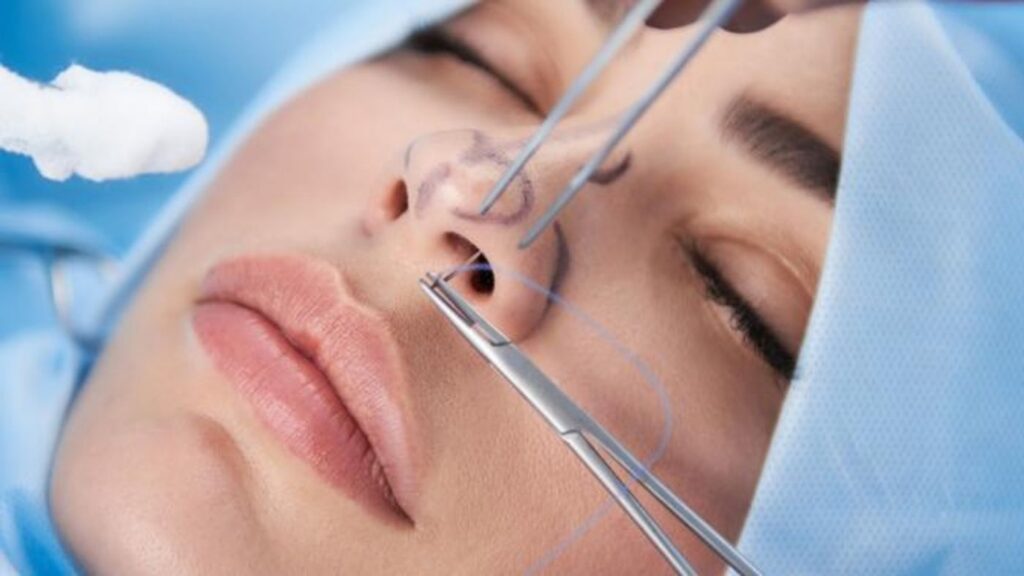
Septoplasty is performed entirely through the nostrils, meaning there are no visible external incisions. The internal approach allows correction of structural imbalance while preserving the natural appearance of the nose.
2. Objectives of the Septoplasty Procedure
The main goals of the septoplasty procedure include:
Improving nasal airflow
Reducing breathing difficulty
Correcting internal nasal asymmetry
Supporting sinus drainage
Enhancing overall nasal function
By achieving these objectives, the procedure helps restore the nose’s natural role in filtering, humidifying, and regulating airflow.
3. Preoperative Preparation for the Procedure
Before undergoing the septoplasty procedure, certain preparation steps are followed to ensure safety and accuracy. These steps help minimize surgical risks and improve recovery outcomes.
Preoperative preparation typically includes:
Reviewing medical history and medications
Adjusting medications that affect bleeding
Following fasting instructions before anesthesia
Avoiding smoking prior to surgery
Arranging postoperative support and transportation
Proper preparation plays an important role in ensuring smooth procedural execution.
4. Anesthesia Used During Septoplasty Procedure
The septoplasty procedure may be performed under local anesthesia with sedation or general anesthesia. The choice depends on patient comfort, complexity of the deviation, and procedural requirements.
Local anesthesia with sedation allows the patient to remain relaxed while the nasal area is numbed. General anesthesia allows complete unconsciousness during the procedure. Both options are selected based on individual clinical considerations and safety protocols.
5. Surgical Access and Internal Incisions
The septoplasty treatment procedure begins with creating small incisions inside the nasal cavity. These incisions are made within the lining of the nose, ensuring that there are no visible scars on the outside.
Through these internal incisions, the surgeon gains access to the septum. The nasal lining, known as the mucosa, is gently lifted to expose the cartilage and bone that form the septal structure.
6. Identification of Deviated Septal Sections
Once the septum is exposed, the deviated areas are carefully identified. This step is crucial to determine which portions of cartilage or bone are responsible for airway obstruction.
The surgeon evaluates:
Degree of septal curvature
Thickness of deviated cartilage
Bony irregularities
Areas causing nasal narrowing
Accurate identification ensures targeted correction and preservation of healthy tissue.
7. Correction and Reshaping of the Septum
After identifying the deviated segments, the next stage of the septoplasty procedure involves reshaping or removing obstructive portions of cartilage and bone. The goal is to create a straight and stable septal structure without weakening nasal support.
Correction techniques may include:
Trimming excess cartilage
Removing bony spurs
Repositioning bent cartilage
Smoothing irregular septal edges
These adjustments help restore symmetry and improve airflow through both nasal passages.
8. Repositioning the Septum
Once correction is completed, the septum is carefully repositioned to the center of the nasal cavity. Proper alignment is essential to ensure balanced airflow and long-term stability.
The repositioned septum is supported by the surrounding nasal structures, allowing it to maintain its corrected position during healing.
9. Stabilization During the Procedure
To maintain septal alignment after repositioning, stabilization methods are applied during the septoplasty procedure. These methods support healing and reduce movement of the septum.
Stabilization techniques may include:
Internal nasal splints
Dissolvable sutures
Soft nasal supports when required
These supports help ensure that the septum remains in the desired position during early recovery.
10. Closure of Internal Incisions
After stabilization, the internal nasal lining is repositioned over the corrected septum. The incisions are closed using absorbable sutures that dissolve naturally over time.
Because all incisions are internal, the procedure does not leave visible scars and maintains the natural external appearance of the nose.
11. Duration of the Septoplasty Procedure
The septoplasty procedure usually takes between 30 minutes and 90 minutes. The duration depends on the severity of deviation and whether additional internal corrections are required.
Most individuals can return home on the same day after a short observation period, as septoplasty is commonly performed as a day procedure.
12. Immediate Post-Procedure Phase
After completion of the septoplasty procedure, patients are monitored during the immediate recovery phase. This allows observation of breathing stability and early postoperative comfort.
During this phase, patients may experience:
Mild nasal pressure
Temporary nasal blockage due to swelling
Light blood-tinged discharge
Drowsiness from anesthesia
These effects are temporary and typically resolve within a few days.
13. Early Healing Phase After the Procedure
The early healing phase begins within the first week following the septoplasty procedure. During this period, swelling inside the nasal cavity gradually decreases and airflow begins to improve.
Patients are usually advised to:
Keep the head elevated while resting
Avoid nose blowing
Use saline sprays for moisture
Avoid strenuous physical activity
Following these guidelines supports tissue healing and reduces discomfort.
14. Intermediate Healing Phase
During the intermediate healing phase, which occurs over the next few weeks, internal tissues continue to stabilize. Nasal breathing becomes progressively easier as swelling subsides and internal structures settle into their corrected position.
Crusting inside the nose may occur temporarily and is managed through regular nasal hygiene and follow-up care.
15. Final Healing and Structural Stabilization
Final healing after the septoplasty procedure may take several weeks to months. During this period, cartilage and bone adapt to their new position and strengthen structurally.
Once complete healing occurs, the septum typically maintains its corrected alignment, providing long-term improvement in nasal airflow.
16. Functional Improvement After the Procedure
The primary functional benefit of the septoplasty procedure is improved breathing. Balanced airflow through both nostrils allows the nose to perform its natural roles more effectively.
Functional improvements often include:
Reduced nasal congestion
Improved airflow balance
Better breathing during physical activity
Improved sleep-related breathing comfort
These benefits contribute to overall respiratory well-being.
17. Post-Procedure Monitoring and Follow-Up
Follow-up visits are an important part of the septoplasty procedure process. During these visits, healing progress is assessed and internal nasal passages are examined.
Follow-up care helps ensure:
Proper septal alignment
Healthy tissue healing
Early detection of complications
Continued improvement in airflow
Regular monitoring supports long-term success of the procedure.
18. Safety Measures During the Procedure
The septoplasty procedure follows strict safety standards to minimize complications. These include sterile surgical techniques, careful tissue handling, and continuous monitoring during anesthesia.
Safety measures help ensure that the procedure is performed efficiently while protecting nasal structure and overall patient well-being.
19. Long-Term Outcome of the Septoplasty Procedure
Once healing is complete, the septoplasty procedure provides lasting improvement in nasal function. Corrected septal alignment allows sustained airflow balance and reduces the likelihood of recurrent nasal obstruction.
Long-term outcomes are generally stable when postoperative care guidelines are followed and nasal trauma is avoided.
20. Final Overview
The septoplasty procedure is a structured surgical approach focused on correcting internal nasal septal deviation and restoring natural airflow. Through careful preparation, precise surgical technique, and consistent postoperative care, the procedure supports improved breathing function and long-term nasal health.
The septoplasty procedure in Kunnamkulam continues to serve as an effective method for addressing nasal obstruction caused by septal deviation and restoring comfortable, balanced breathing through proper internal nasal correction.
Table Of Content
Septoplasty:
Septoplasty in Kunnamkulam is a surgical procedure performed to correct a deviated nasal septum and improve nasal breathing. Septoplasty
Treatment:
Septoplasty treatment in Kunnamkulam focuses on relieving nasal blockage, improving airflow, and reducing related breathing difficulties. Treatment
Consultation:
During a septoplasty consultation in Kunnamkulam, the doctor evaluates nasal structure, symptoms, and suitability for surgery. Consultation
Preparation:
Preparation for septoplasty in Kunnamkulam includes medical evaluation, medication review, and following pre-surgery instructions. Preparation
Recovery:
Recovery and aftercare in Kunnamkulam usually involve rest, nasal care, follow-up visits, and gradual return to normal activities. Recovery
Frequently Asked Questions
1. What is the septoplasty procedure?
Septoplasty is a surgical procedure performed to correct a deviated nasal septum and improve airflow through the nasal passages.
2. How is the septoplasty procedure performed?
The procedure is carried out through internal nasal incisions where the septum is reshaped and repositioned to restore balanced airflow.
3. How long does the septoplasty procedure usually take?
Septoplasty typically takes between 30 and 90 minutes depending on the complexity of the nasal deviation.
4. Is anesthesia required for the septoplasty procedure?
Yes, the procedure is performed under local anesthesia with sedation or general anesthesia based on clinical needs.
5. Are there visible scars after the septoplasty procedure?
No, septoplasty is performed through internal nasal incisions, so visible external scars are not expected.
6. What happens immediately after the septoplasty procedure?
Patients are monitored for a short period to ensure stable breathing and recovery from anesthesia before discharge.
7. When does breathing improvement begin after the procedure?
Breathing improvement usually starts as swelling reduces during the first few weeks of healing.
8. Is nasal packing always used after the septoplasty procedure?
Nasal packing is not always necessary and depends on surgical technique and individual healing requirements.
9. What precautions should be followed after the septoplasty procedure?
Patients are advised to avoid strenuous activities, nose blowing, and heavy lifting during the early recovery phase.
10. How long do septoplasty procedure results last?
Once healing is complete, results are generally long-lasting with proper nasal care and avoidance of trauma.