Septoplasty Consultation in Kunnamkulam – Evaluation and Treatment Planning Guide
Septoplasty consultation in Kunnamkulam is the initial clinical evaluation process that helps determine whether a person requires septoplasty for a deviated nasal septum. This consultation focuses on understanding breathing difficulties, identifying structural nasal problems, and planning appropriate treatment strategies. It is an essential step before any surgical decision is made and ensures that the procedure is medically justified and tailored to individual needs.
1. Purpose of Septoplasty Consultation
The main purpose of a septoplasty consultation is to evaluate nasal structure and function. During this visit, the healthcare professional assesses whether nasal obstruction is caused by septal deviation or other contributing factors. Consultation helps establish a clear diagnosis and confirms whether surgery is necessary or if non-surgical management may be sufficient.
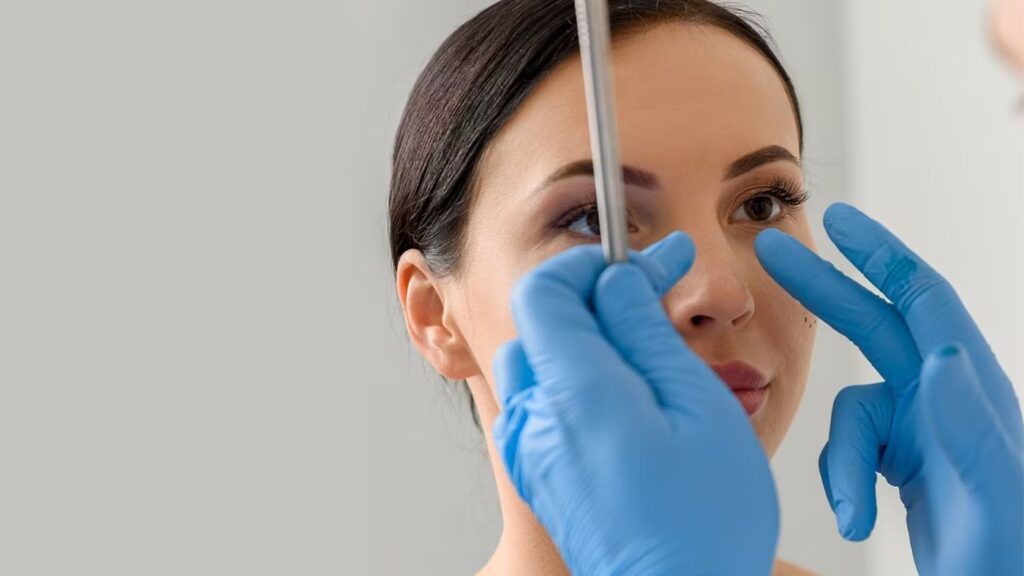
Key objectives of septoplasty consultation include:
Identifying the severity of septal deviation
Understanding breathing-related symptoms
Evaluating nasal airflow patterns
Assessing overall nasal health
Determining treatment suitability
This process ensures that septoplasty is recommended only when it is clinically appropriate.
2. Importance of Early Consultation
Early consultation is important for individuals experiencing persistent nasal blockage or breathing difficulty. Delaying evaluation may allow symptoms to worsen or contribute to repeated sinus infections and sleep-related breathing issues. Seeking consultation at the right time allows timely diagnosis and early planning, which may improve long-term outcomes.
Consultation also helps differentiate septal deviation from other nasal conditions such as allergies, turbinate enlargement, or sinus inflammation that may require different treatment approaches.
3. Symptoms Reviewed During Consultation
During septoplasty consultation, specific symptoms are carefully reviewed to understand their impact on daily life. Common symptoms discussed include:
Ongoing nasal congestion
Difficulty breathing through one or both nostrils
Mouth breathing, especially during sleep
Frequent sinus discomfort
Facial pressure or headache
Reduced airflow sensation
Disturbed sleep patterns
Symptom evaluation helps determine how significantly the nasal obstruction is affecting functional breathing.
4. Medical History Assessment
A detailed medical history is an important part of septoplasty consultation. This includes reviewing past nasal injuries, previous nasal surgeries, long-standing breathing issues, and any underlying medical conditions. Information about allergies, chronic sinus problems, or respiratory disorders is also considered.
Medical history assessment helps identify factors that may influence surgical planning or recovery and ensures that treatment decisions are safe and appropriate.
5. Physical Examination During Consultation
Physical examination is a core component of septoplasty consultation. The nasal cavity is examined to assess septal alignment, nasal passage width, and internal structural balance. This examination helps identify visible deviations and areas of obstruction.
The evaluation may include:
Inspection of external nasal symmetry
Internal nasal cavity assessment
Evaluation of airflow through each nostril
Examination of nasal lining health
These findings provide valuable information for accurate diagnosis.
6. Role of Nasal Endoscopy in Consultation
In some cases, nasal endoscopy may be used during septoplasty consultation to obtain a detailed internal view of the nasal cavity. A thin, flexible instrument with a camera allows clear visualization of deeper nasal structures that cannot be seen with routine examination.
Nasal endoscopy helps:
Confirm septal deviation severity
Assess turbinate size
Identify nasal valve issues
Evaluate sinus drainage openings
This diagnostic tool supports precise assessment and treatment planning.
7. Imaging Evaluation When Required
Imaging studies such as CT scans may be recommended in selected cases during septoplasty consultation. Imaging is typically used when sinus problems or complex nasal anatomy is suspected.
Imaging helps in:
Visualizing bone and cartilage structure
Assessing sinus involvement
Identifying additional nasal abnormalities
Supporting surgical planning accuracy
Not all patients require imaging, but it can be useful for comprehensive evaluation.
8. Assessment of Functional Breathing
Septoplasty consultation focuses strongly on functional breathing assessment. This involves evaluating airflow resistance and nasal breathing efficiency. Functional assessment may include patient feedback about breathing comfort and physical examination of airflow patterns.
Understanding breathing function helps determine whether septal deviation is the primary cause of symptoms or if other nasal factors are involved.
9. Discussion of Treatment Options
During consultation, available treatment options are discussed based on clinical findings. This includes explaining whether septoplasty is recommended or if conservative treatment such as nasal sprays, allergy management, or observation may be appropriate.
Treatment discussion typically includes:
Expected benefits of septoplasty
Alternative non-surgical approaches
Limitations of medical management
Long-term outcomes
This information allows patients to make informed decisions.
10. Explanation of Septoplasty Procedure During Consultation
As part of the consultation process, the septoplasty procedure itself is explained in detail. This includes outlining how the surgery is performed, what structural corrections are involved, and what the patient can expect during the procedure.
Key points often discussed include:
Internal surgical approach
Correction of deviated cartilage and bone
Preservation of nasal structure
Stabilization techniques
Clear explanation helps reduce anxiety and improve understanding.
11. Discussion of Expected Outcomes
Septoplasty consultation includes discussion of realistic treatment outcomes. Patients are informed about expected improvements in breathing, nasal airflow balance, and symptom relief.
It is also explained that results may develop gradually as swelling reduces and healing progresses. Setting realistic expectations is an important part of the consultation process.
12. Risk Assessment During Consultation
Risk assessment is a standard part of septoplasty consultation. Potential surgical risks are discussed in a balanced and transparent manner. These may include bleeding, infection, swelling, or temporary discomfort.
Understanding potential risks allows patients to make informed decisions and prepares them for postoperative care requirements.
13. Preoperative Preparation Guidance
During consultation, patients receive guidance on preparing for septoplasty if surgery is planned. This preparation information helps improve safety and recovery.
Preparation advice may include:
Medication adjustments
Avoiding smoking
Managing existing medical conditions
Preoperative fasting instructions
Planning postoperative support
Proper preparation reduces complications and supports smooth recovery.
14. Evaluation of Suitability for Surgery
Not every individual with septal deviation requires surgery. Septoplasty consultation helps determine surgical suitability based on symptom severity, anatomical findings, and overall health status.
Suitability assessment considers:
Degree of nasal obstruction
Impact on daily activities
Response to previous medical treatment
General health condition
This ensures that surgery is recommended only when beneficial.
15. Personalized Treatment Planning
Septoplasty consultation allows development of a personalized treatment plan. Each nasal structure is unique, and surgical correction is tailored accordingly. Personalized planning improves accuracy and supports long-term results.
Customized planning may include:
Targeted correction areas
Stabilization strategies
Postoperative care scheduling
Follow-up timeline planning
This individualized approach enhances treatment success.
16. Patient Education During Consultation
Patient education is an important aspect of septoplasty consultation. Understanding nasal anatomy, the role of the septum, and how correction improves airflow helps patients participate actively in their treatment journey.
Education also covers postoperative expectations and lifestyle adjustments needed during recovery.
17. Importance of Follow-Up Planning
Consultation includes planning follow-up visits after surgery. Follow-up care is essential for monitoring healing progress and managing postoperative symptoms.
Follow-up planning ensures:
Proper wound healing assessment
Septal alignment monitoring
Early identification of concerns
Ongoing breathing evaluation
Structured follow-up contributes to optimal outcomes.
18. Psychological Preparation for Surgery
Septoplasty consultation also addresses emotional and psychological readiness for surgery. Clear communication and reassurance help reduce anxiety and build confidence in the treatment process.
Understanding what to expect before, during, and after surgery supports mental preparedness and improves overall patient experience.
19. Decision-Making Support
Septoplasty consultation provides professional guidance to help patients make informed decisions. Rather than rushing into surgery, consultation allows time to evaluate benefits, risks, and alternatives.
Shared decision-making ensures that treatment aligns with patient goals and medical recommendations.
20. Final Overview
Septoplasty consultation is a structured and essential step in evaluating nasal septal deviation and planning appropriate treatment. Through detailed examination, functional assessment, patient education, and personalized planning, consultation ensures that septoplasty is performed only when truly beneficial and medically indicated.
Septoplasty consultation in Kunnamkulam plays a key role in guiding individuals toward improved nasal breathing, better airflow balance, and informed treatment decisions through careful clinical evaluation and structured planning.
Table Of Content
Septoplasty:
Septoplasty in Kunnamkulam is a surgical procedure performed to correct a deviated nasal septum and improve nasal breathing. Septoplasty
Treatment:
Septoplasty treatment in Kunnamkulam focuses on relieving nasal blockage, improving airflow, and reducing related breathing difficulties. Treatment
Procedure:
The septoplasty procedure in Kunnamkulam involves repositioning or removing deviated cartilage and bone to straighten the nasal septum. Procedure
Preparation:
Preparation for septoplasty in Kunnamkulam includes medical evaluation, medication review, and following pre-surgery instructions. Preparation
Recovery:
Recovery and aftercare in Kunnamkulam usually involve rest, nasal care, follow-up visits, and gradual return to normal activities. Recovery
Frequently Asked Questions
1. What is a septoplasty consultation?
A septoplasty consultation is an evaluation visit used to assess nasal septum deviation and determine whether surgical correction is required.
2. Why is septoplasty consultation important before surgery?
Consultation helps confirm the cause of nasal blockage, evaluate breathing function, and ensure that surgery is medically appropriate.
3. What symptoms are reviewed during septoplasty consultation?
Symptoms such as nasal congestion, breathing difficulty, sinus discomfort, and sleep-related breathing issues are commonly reviewed.
4. Does septoplasty consultation include physical examination?
Yes, the nasal cavity and airflow patterns are examined to assess septal alignment and internal nasal structure.
5. Is nasal endoscopy performed during consultation?
In some cases, nasal endoscopy may be used to obtain a detailed internal view of nasal structures and confirm diagnosis.
6. Are imaging tests required during septoplasty consultation?
Imaging tests are not always required but may be recommended when sinus involvement or complex nasal anatomy is suspected.
7. Can non-surgical options be discussed during consultation?
Yes, consultation includes discussion of medical management options when surgery is not immediately required.
8. How long does a septoplasty consultation usually take?
The consultation duration typically ranges from 20 to 40 minutes depending on evaluation requirements.
9. What information should patients bring to the consultation?
Patients are advised to bring previous medical records, imaging reports, and a list of current medications if available.
10. What happens after septoplasty consultation?
After consultation, a personalized treatment plan is discussed, which may include surgery scheduling or medical management options.