Septoplasty in Kunnamkulam – Overview and Treatment Information
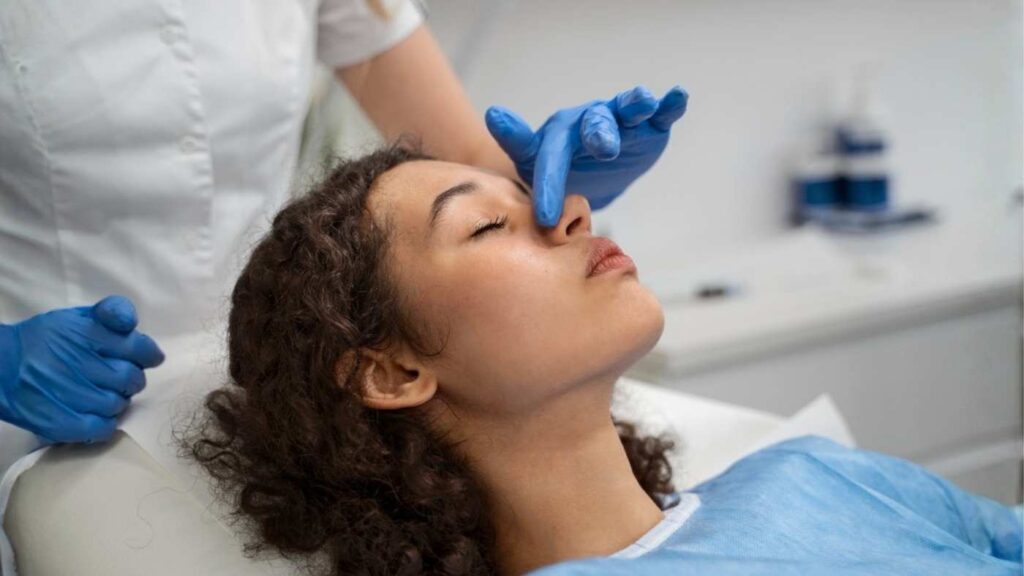
Septoplasty in Kunnamkulam is a surgical procedure performed to correct a deviated nasal septum, a condition where the thin wall between the two nasal passages is displaced to one side. This deviation can interfere with normal airflow, contribute to breathing difficulty, nasal blockage, recurrent sinus infections, and related symptoms. Septoplasty focuses on improving nasal function rather than cosmetic appearance and is considered a functional nasal surgery.
1. Understanding the Nasal Septum and Deviation
The nasal septum is made of cartilage and bone and divides the nasal cavity into two equal passages. Ideally, the septum should be centrally positioned. However, in many individuals, it is slightly off-center. When the deviation becomes significant, it can narrow one or both nasal passages and disrupt normal airflow.
A deviated septum may be present from birth or develop after nasal trauma, injury, or growth-related changes during adolescence. Over time, untreated deviation can contribute to chronic nasal congestion, mouth breathing, snoring, and repeated infections.
2. What Is Septoplasty?
Septoplasty is a surgical procedure that straightens and repositions the nasal septum. The goal is to restore balanced airflow through both nostrils and improve nasal breathing. During the procedure, the surgeon reshapes, repositions, or removes the portions of cartilage and bone that cause obstruction.
Unlike cosmetic nose surgery, septoplasty does not change the external appearance of the nose in most cases. It is primarily performed to improve function and relieve symptoms caused by septal deviation.
3. Who May Need Septoplasty?
Septoplasty may be considered for individuals who experience persistent symptoms related to nasal obstruction. Common indications include:
Chronic nasal blockage on one or both sides
Difficulty breathing through the nose
Recurrent sinus infections
Frequent nosebleeds due to septal irritation
Facial pressure or headaches related to nasal airflow issues
Snoring or disturbed sleep associated with nasal obstruction
Not everyone with a deviated septum requires surgery. Mild deviations without symptoms usually do not need treatment. A detailed clinical evaluation helps determine whether septoplasty is appropriate.
4. Symptoms Associated With Septal Deviation
Symptoms can vary depending on the severity of the deviation and the presence of related nasal conditions. Common symptoms include:
Persistent nasal congestion not relieved by medications
Reduced airflow through one nostril
Mouth breathing, especially during sleep
Dry mouth and throat irritation
Postnasal drip
Reduced sense of smell in some cases
Increased susceptibility to sinus infections
These symptoms may gradually worsen over time, particularly if the deviation interferes with proper drainage of the sinuses.
5. Septoplasty and Related Procedures
In some cases, septoplasty is combined with other nasal procedures to improve overall nasal function. These may include:
Turbinate reduction to address enlarged nasal turbinates
Functional sinus procedures for chronic sinusitis
Correction of nasal valve collapse
Combining procedures may enhance breathing outcomes, depending on individual anatomical factors.
6. Long-Term Outcomes
Septoplasty offers long-term improvement in nasal airflow for most individuals. Once healing is complete, the corrected septum typically maintains its position. Lifestyle factors such as avoiding nasal trauma and maintaining nasal hygiene contribute to sustained results.
Regular follow-up helps identify and address any residual symptoms early.
7. When to Seek Medical Attention After Surgery
While mild discomfort and congestion are expected, certain symptoms require prompt medical evaluation. These include:
Persistent heavy bleeding
Increasing pain or swelling
Fever or signs of infection
Severe breathing difficulty
Unusual nasal discharge
Early intervention ensures appropriate management and prevents complications.
8. Lifestyle Adjustments After Septoplasty
Following septoplasty, some individuals may benefit from small lifestyle adjustments to maintain nasal health, such as:
Avoiding exposure to dust and allergens
Using humidifiers in dry environments
Practicing good hydration
Managing allergies effectively
These measures support healthy nasal lining and airflow.
9. Frequently Asked Considerations
Patients often ask about work resumption and daily activities. Many individuals return to desk work within a few days, while physically demanding activities may require a longer rest period. Full recovery varies based on surgical complexity and individual healing response.
10. Importance of Follow-Up Visits
Postoperative follow-up is an essential part of septoplasty care. During these visits, the nasal passages are examined, healing progress is assessed, and any crusting or swelling is managed. Follow-up ensures optimal outcomes and patient comfort.
11. Septoplasty as a Functional Procedure
It is important to understand that septoplasty is performed to improve breathing function rather than cosmetic appearance. While internal nasal structure is corrected, the outer shape of the nose usually remains unchanged unless combined with cosmetic procedures.
12. Summary Overview
Septoplasty is an effective surgical solution for individuals with symptomatic deviated nasal septum. By correcting structural imbalance inside the nose, the procedure improves airflow, supports sinus health, and enhances overall breathing comfort. Proper evaluation, careful surgical technique, and consistent postoperative care are key factors that contribute to successful outcomes.
Septoplasty in Kunnamkulam continues to be an important functional treatment option for individuals experiencing persistent nasal obstruction, helping restore comfortable breathing and improve daily quality of life.
Table Of Content
Treatment:
Septoplasty treatment in Kunnamkulam focuses on relieving nasal blockage, improving airflow, and reducing related breathing difficulties. Treatment
Consultation:
During a septoplasty consultation in Kunnamkulam, the doctor evaluates nasal structure, symptoms, and suitability for surgery. Consultation
Procedure:
The septoplasty procedure in Kunnamkulam involves repositioning or removing deviated cartilage and bone to straighten the nasal septum. Procedure
Preparation:
Preparation for septoplasty in Kunnamkulam includes medical evaluation, medication review, and following pre-surgery instructions. Preparation
Recovery:
Recovery and aftercare in Kunnamkulam usually involve rest, nasal care, follow-up visits, and gradual return to normal activities. Recovery
Frequently Asked Questions
1. What is septoplasty?
Septoplasty is a surgical procedure performed to correct a deviated nasal septum and improve airflow through the nasal passages.
2. Who may need septoplasty?
Septoplasty may be recommended for individuals with persistent nasal blockage, breathing difficulty, or symptoms caused by septal deviation.
3. Is septoplasty a cosmetic procedure?
No, septoplasty is a functional surgery aimed at improving nasal breathing and does not usually change the external shape of the nose.
4. How long does septoplasty surgery take?
The procedure usually takes between 30 and 90 minutes, depending on the complexity of the septal deviation.
5. Is septoplasty performed under anesthesia?
Septoplasty can be performed under local or general anesthesia based on the patient’s condition and surgical requirements.
6. How long is the recovery period after septoplasty?
Most patients can return to light activities within a few days, while complete healing may take several weeks.
7. Will there be visible scars after septoplasty?
No, septoplasty is usually done through internal nasal incisions, so visible external scars are not expected.
8. What symptoms can improve after septoplasty?
Symptoms such as nasal congestion, breathing difficulty, sinus pressure, and sleep-related breathing issues may improve after surgery.
9. Are there risks associated with septoplasty?
Like any surgery, septoplasty has potential risks such as bleeding or infection, but serious complications are uncommon.
10. When can normal activities be resumed after septoplasty?
Daily activities can usually be resumed within a few days, but strenuous exercise should be avoided until advised during follow-up visits.