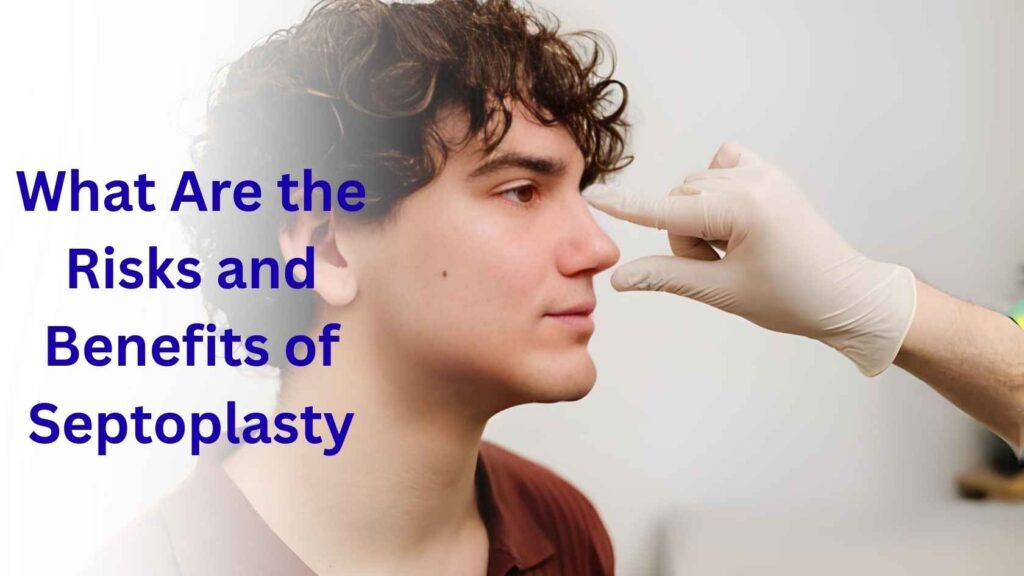
What Are the Risks and Benefits of Septoplasty — Septoplasty is a surgical procedure performed to correct a deviated nasal septum and improve airflow through the nasal passages. While the procedure is commonly recommended for functional breathing problems, understanding both the benefits and potential risks is essential before making a treatment decision. A balanced perspective helps individuals set realistic expectations and prepare for the surgical and recovery process.
1. Understanding Septoplasty
Septoplasty focuses on correcting the internal structure of the nose rather than changing its external appearance. The nasal septum, made of cartilage and bone, divides the nasal cavity into two passages. When it is deviated, airflow may be restricted, leading to breathing difficulty and other symptoms.
The procedure involves repositioning, reshaping, or removing obstructive portions of the septum to restore balanced airflow.
2. Why Septoplasty Is Performed
Septoplasty is recommended when septal deviation causes persistent symptoms that affect daily functioning. The goal is to improve breathing and support nasal function.
Common reasons for septoplasty include:
Chronic nasal blockage
Difficulty breathing through the nose
Recurrent sinus infections
Sleep-related breathing discomfort
Nasal obstruction affecting physical activity
When medical treatments do not provide relief, surgical correction may be considered.
3. Functional Benefits of Septoplasty
The primary benefit of septoplasty is improved nasal airflow. Correcting the septum allows air to pass more freely through both nostrils.
Functional improvements may include:
Easier nasal breathing
Reduced congestion
Improved airflow during exercise
Better tolerance to environmental changes
These benefits contribute to daily comfort and respiratory efficiency.
4. Improvement in Sinus Health
Septal deviation can interfere with sinus drainage, increasing the likelihood of sinus infections. By correcting the septum, septoplasty may support better sinus ventilation.
Potential sinus-related benefits include:
Reduced sinus pressure
Fewer recurrent infections
Improved drainage pathways
Better nasal ventilation
This can improve overall upper respiratory health.
5. Sleep-Related Benefits
Nasal obstruction often affects sleep quality. Septoplasty may help improve breathing during sleep by allowing unobstructed airflow.
Possible improvements include:
Reduced mouth breathing
Better airflow at night
Less nasal blockage while lying down
Improved sleep comfort
These changes may contribute to better rest and daytime energy.
6. Long-Term Breathing Improvement
Septoplasty aims to provide lasting improvement in nasal airflow. Once healing is complete, the corrected septum typically maintains its position.
Long-term benefits may include:
Stable nasal breathing
Reduced reliance on nasal medications
Improved physical comfort
Better tolerance to seasonal changes
These outcomes depend on proper healing and aftercare.
7. Reduced Nasal Irritation
Septal deviation may cause dryness and irritation inside the nasal cavity due to uneven airflow. Correcting the septum helps distribute airflow evenly.
This may lead to:
Less nasal dryness
Reduced irritation
Improved mucosal health
Balanced airflow supports normal nasal function.
8. Benefits for Daily Activities
Breathing comfort plays a role in everyday activities. Septoplasty may help individuals perform routine tasks and physical activities with less breathing difficulty.
Possible improvements include:
Easier participation in exercise
Reduced fatigue related to breathing
Improved comfort in changing environments
These benefits enhance overall quality of life.
9. Psychological Benefits
Breathing problems can affect confidence and well-being. Improved nasal function may contribute to emotional comfort and reduced stress associated with chronic symptoms.
Better breathing can support:
Increased confidence in daily activities
Reduced frustration from nasal blockage
Improved sense of well-being
Psychological benefits are often linked to physical improvement.
10. Risks Associated With Septoplasty
Like any surgical procedure, septoplasty carries certain risks. Understanding these risks helps individuals make informed decisions and prepare for surgery.
Possible risks include:
Bleeding
Infection
Swelling
Temporary discomfort
Most risks are manageable with proper care and medical supervision.
11. Bleeding After Surgery
Bleeding is a common surgical risk. Mild bleeding may occur in the early postoperative period as tissues heal.
In most cases:
Bleeding is temporary
It resolves with care and monitoring
Medical attention may be needed if persistent
Proper postoperative instructions help minimize this risk.
12. Infection Risk
Infection is uncommon but possible after any surgical procedure. Maintaining nasal hygiene and following aftercare guidelines reduces the likelihood of infection.
Signs may include:
Fever
Increased pain
Unusual discharge
Prompt evaluation ensures appropriate management.
13. Swelling and Congestion
Swelling inside the nasal cavity is expected after septoplasty. Temporary congestion may occur until healing progresses.
These effects are typically:
Short-term
Gradually improving
Managed with medications and care
Swelling reduces as tissues recover.
14. Temporary Changes in Sensation
Some individuals may experience temporary numbness in the nasal area or upper lip due to tissue manipulation during surgery.
These changes usually:
Resolve over time
Improve as nerves recover
Persistent sensory changes are uncommon.
15. Septal Perforation Risk
In rare cases, a small hole may develop in the septum during healing. This is known as septal perforation.
Potential effects may include:
Nasal dryness
Whistling sound during breathing
Proper surgical technique reduces this risk.
16. Persistence of Symptoms
While septoplasty improves airflow in most cases, some individuals may continue to experience symptoms if other nasal conditions are present.
Examples include:
Allergies
Sinus inflammation
Turbinate enlargement
Additional treatment may be needed in such cases.
17. Anesthesia-Related Risks
Septoplasty may involve local or general anesthesia. As with any procedure involving anesthesia, certain risks exist.
These may include:
Temporary nausea
Drowsiness
Rare allergic reactions
Pre-anesthesia evaluation helps reduce these risks.
18. Recovery-Related Challenges
Recovery requires patience and adherence to care instructions. Temporary discomfort, congestion, and activity restrictions may occur.
Recovery challenges may include:
Adjusting to breathing changes
Following activity limitations
Managing postoperative symptoms
Proper guidance supports smoother recovery.
19. Balancing Risks and Benefits
Evaluating both risks and benefits helps individuals make informed decisions about septoplasty. When symptoms significantly affect breathing and quality of life, the benefits often outweigh the risks.
Careful evaluation includes:
Symptom severity
Overall health
Treatment expectations
Recovery readiness
Balanced decision-making supports successful outcomes.
20. Final Overview
Septoplasty offers significant functional benefits by improving nasal airflow, supporting sinus health, and enhancing breathing comfort. While risks exist, they are generally manageable with proper surgical care and postoperative guidance. Understanding both advantages and potential complications allows individuals to approach the procedure with realistic expectations and informed confidence.
A comprehensive evaluation and individualized treatment planning help ensure that septoplasty is performed safely and that its benefits are maximized while minimizing associated risks.
Frequently Asked Questions
1. What are the main benefits of septoplasty?
Septoplasty helps improve nasal airflow, reduce blockage, and support better breathing function.
2. Can septoplasty improve sinus problems?
By correcting septal deviation, septoplasty may support better sinus drainage and reduce sinus-related discomfort.
3. Does septoplasty improve sleep-related breathing issues?
Improved nasal airflow may help reduce mouth breathing and improve breathing comfort during sleep.
4. Is septoplasty a long-term solution for nasal obstruction?
Once healing is complete, the structural correction usually provides lasting improvement in nasal airflow.
5. What are the common risks of septoplasty?
Common risks include bleeding, infection, swelling, and temporary discomfort during recovery.
6. Is swelling normal after septoplasty?
Yes, temporary swelling and congestion are expected and gradually improve during healing.
7. Can septoplasty cause changes in nasal sensation?
Temporary numbness may occur due to tissue manipulation but usually resolves over time.
8. Is septal perforation a possible complication?
In rare cases, a small hole in the septum may develop, which may require monitoring or treatment.
9. Are anesthesia-related risks associated with septoplasty?
As with any procedure involving anesthesia, temporary side effects such as drowsiness or nausea may occur.
10. How can risks after septoplasty be minimized?
Following postoperative care instructions, maintaining hygiene, and attending follow-up visits help reduce complications.
Dr Salison Salim Panicker
MBBS, DLO, DNB, PGDCC
ENT Surgeon and